

Cervicogenic Headaches
Headache caused by a disorder of the cervical spine and its component bony, disc and/or soft tissue elements, usually but not invariably accompanied by neck pain.
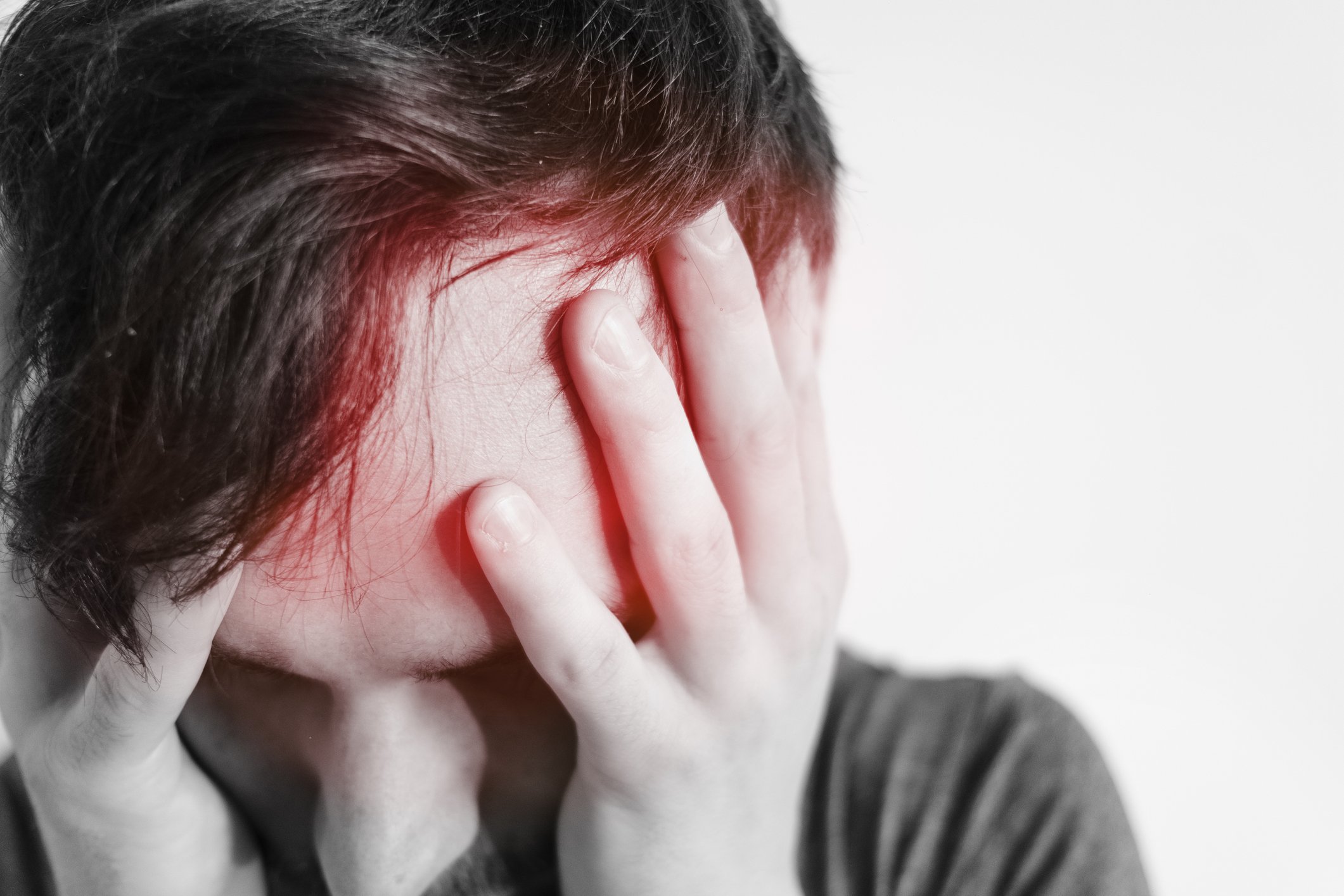
Pain Location: Typically starts in the neck and radiates to the front, side, or back of the head, often described as a dull, aching pain.
Neck Pain: Accompanied by neck stiffness or discomfort.
Pain Intensity: Can range from mild to severe and may worsen with certain neck movements or positions.
Trigger Points: Pain may be exacerbated by pressing on specific areas in the neck or upper back.
Other symptoms:
Limited Range of Motion: Difficulty moving the neck, which may increase headache severity.
Nausea: Some individuals may experience mild nausea along with headaches.
Sensitivity to Light or Sound: Similar to other types of headaches, light or noise sensitivity can occur.
Symptoms
Cervical Spine Disorders: Conditions like osteoarthritis, herniated discs, or degenerative disc disease can irritate the nerves and lead to headaches.
Injuries: Trauma from accidents, such as whiplash or sports injuries, can contribute to the development of cervicogenic headaches.
Poor Posture: Prolonged poor posture (e.g., slouching or hunching over a computer) can strain neck muscles and lead to headaches.
Muscle Tension: Tightness or spasms in neck and shoulder muscles can refer pain to the head.
Arthritis: Inflammatory conditions affecting the cervical spine can cause headaches.
Structural Abnormalities: Congenital or acquired structural issues in the cervical spine can contribute to headache symptoms.